
-
Certified Company
ISO 9001:2015 -
30+ Years
of Filtration Excellence
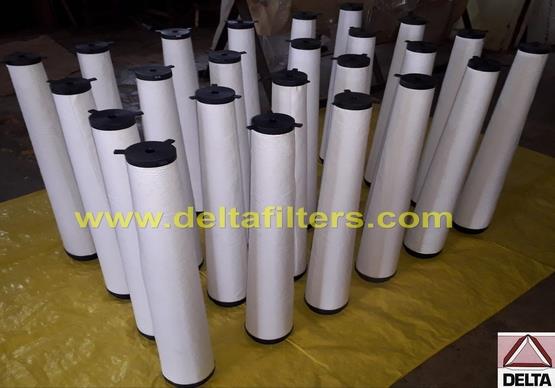
Common Fuel Gas Contaminants and How Advanced Fuel Gas Filters Remove Them
Fuel gas is a critical energy source for many industries. It powers turbines, engines, boilers, and furnaces across multiple sectors. However, fuel gas is rarely clean until it reaches the usage point.
Various contaminants come along with them and can silently damage the equipment if not cleaned properly. This is why fuel gas filters play a key role in maintaining the system’s safety and efficiency.
Knowing common contaminants and how fuel gas filters remove them helps industries prevent costly breakdowns.
Why Fuel Gas Purity Matters
Clean fuel gas is the guarantee of a smooth combustion. Impurities in the fuel may lead to serious difficulties over time.
This may cause the following:
- Blocked burners and valves.
- Reduced combustion efficiency.
- Increased maintenance costs.
- Corrosion of sensitive components.
- Unexpected system shutdowns.
However, effective filtration can avoid these potential risks.
Common Fuel Gas Contaminants
The content of the contaminated fuel gas depends on the sources and processing conditions. The most common types of contaminated fuel gas are:
- Solid Particles
These include dust, rust flakes, and metal debris, such as pipe scales. Solids can enter gas streams due to transportation and pipeline corrosion.
Effects:
- Erosion of valves and regulators
- Clogging of small orifices
- Increased wear on equipment that rotates
- Liquid Hydrocarbons
Condensed hydrocarbons occur when the gas temperature or pressure alters. They are hard to detect, but they are dangerous.
Effects:
- Flame instability.
- Fouling of combustion equipment.
- Incomplete fuel burning.
- Water and Moisture
Moisture is perhaps the worst contaminant of the three. Moisture is introduced as a condensate or due to problems within the upstream process.
Effects:
- Internal Corrosion.
- Formation of ice in cold environments.
- Reduced gas heating value.
- Oil Aerosols
Oil mist typically comes from the compressor or lubrication system.
Effects:
- Carbon buildup on burners.
- Reduced airflow.
- Sensor malfunction.
How Advanced Filtration Technology Works
The modern filtration systems employ various stages to remove impurities efficiently.
- Primary Filtration
This phase removes large particles. It is the first line of defense for debris and scale buildup in the pipes.
Benefits:
- Protects downstream components
- Extends equipment Life
- Improves gas flow consistency
- Coalescing Filtration
The coalescing elements catch fine liquid droplets and aerosols, which come together to form a larger droplet that can be drained off.
Benefits:
- Removes oil and moisture
- Reduces risk of corrosion
- Improve combustion quality
- Final Polishing Stage
Elements of high efficiency are used to catch ultrafine particles as well as lingering liquid prior to gas getting to sensitive materials.
Benefits:
- Stable fuel delivery
- Less Maintenance Required
- Improved System Reliability
Key Advantages of Advanced Fuel Gas Filtration
Implementing these systems can yield significant benefits for the operation.
- Protects the burners, turbines, and engines.
- Reduces unscheduled shutdowns.
- Improve fuel efficiency.
- Ensures consistent gas quality.
- Facilitates compliance with industry standards.
Advanced systems are especially valuable for use in high-pressure and high-temperature situations.
Selection of the Right Filtration Solution
Every fuel gas system has its own requirements. Opt for the right one, basing one’s decision on:
- Gas composition
- Pressure-temperature of operations
- Contaminant
- Sensitivity of equipment
Custom-engineered solutions are more secure compared to general-purpose filters.
Conclusion
Clean fuel gas is important for safe and efficient industrial operations. Contaminants like solid, liquid, and gas, if left untreated, can damage the system slowly.
Advanced filtration systems help to remove these impurities, to prevent systems from sudden breakdown. High-quality separators, coalescers, and demister pads play a key role in achieving reliability.
Delta Filters & Separators Pvt Ltd is a trusted manufacturer of advanced filtration and separation solutions for demanding industrial applications.
With strong engineering expertise and a focus on quality, the company delivers reliable systems designed to protect critical process.