
-
Certified Company
ISO 9001:2015 -
30+ Years
of Filtration Excellence
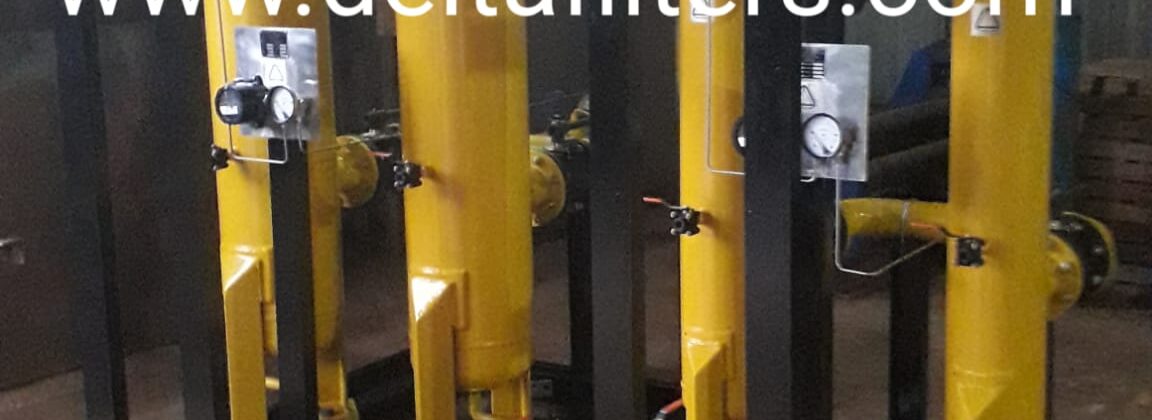
Understanding Air and Mist Filtration in Industrial Operations The Foundation of Clean Compressed Air
Effective air filtration represents one of the most critical infrastructure decisions in industrial operations. When compressed air systems operate without proper filtration, particulate contamination and aerosol mist can compromise product quality, damage pneumatic equipment, and create costly downtime. Understanding the fundamental principles of air separation and filtration helps operations teams make informed decisions about system design and component selection.
Compressed air naturally carries contaminants including oil aerosols, water vapor, and solid particles. These substances originate from compressor operation, ambient air intake, and internal moisture generation during compression cycles. Without treatment, contaminated air degrades downstream equipment performance and introduces defects into manufacturing processes. Compressed air filters address particle removal through mechanical separation, while specialized technologies handle liquid mist elimination across different operating conditions.
Separation Technologies for Industrial Applications
Multiple separation approaches exist for handling different contamination types in industrial environments. Mechanical filtration employs fiber media and coalescence principles to capture particles and liquid aerosols. The effectiveness of mechanical systems depends on media design, airflow velocity, and differential pressure across the filter element.
Mist elimination requires distinct engineering considerations compared to dry particulate filtration. Demister pads utilize fiber mesh construction that intercepts and coalesces fine liquid droplets into larger masses that drain by gravity. This technology proves particularly valuable in compressed air systems where moisture and oil aerosols create operational challenges. The fiber pad structure allows gas passage while capturing mist particles before they reach downstream equipment.
Operating Parameters and System Design
Industrial filtration systems must accommodate varying pressures, temperatures, and moisture conditions. Compressed air filters must maintain performance across these operating ranges without excessive restriction or pressure drop that would increase energy consumption.
Selecting appropriate mist separation technology requires evaluation of expected contamination loads, operating pressures, and maintenance accessibility. Demister pads perform effectively in applications where liquid aerosol concentration remains within design specifications, but overload conditions can reduce separation efficiency and increase maintenance frequency. Understanding baseline contamination profiles in your system helps determine appropriate component sizing and replacement intervals.
Maintenance and Performance Monitoring
Regular inspection and maintenance planning prevent filter failure and extend equipment service life. Pressure differential monitoring indicates when media saturation approaches critical levels. Many operations establish replacement schedules based on calendar intervals combined with pressure drop indicators, ensuring proactive maintenance rather than reactive troubleshooting.
Filter element degradation occurs progressively as media loads with contaminants. Moisture accumulation, particle bridging, and fiber media compression all contribute to reduced airflow and increased restriction over time. Establishing baseline performance data allows operations teams to track changes and identify when element replacement becomes necessary.
Conclusion
Industrial air filtration demands technical understanding beyond product selection. The interaction between contamination sources, filtration media characteristics, and operating conditions determines system reliability and performance outcomes. Professional evaluation of your specific application requirements, existing air quality profiles, and operational constraints provides the foundation for effective filtration strategy. Maintaining consistent attention to filtration principles ensures your industrial systems operate efficiently while protecting downstream processes and equipment investments.